
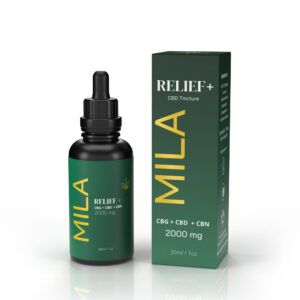
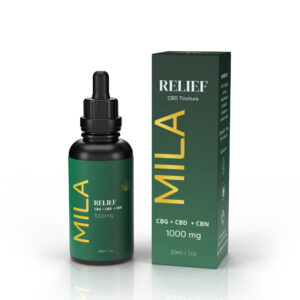
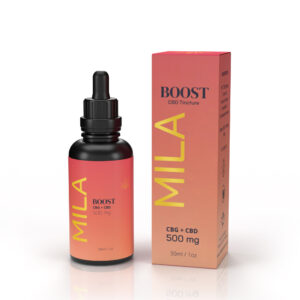
Dosage Guide
Cannabinoid use and dosage guide.
There is no science backed information on CBD dosage at this time. Currently, it’s best to experiment with CBD over time and self-evaluate. If you’re thinking of trying CBD for the first time or have a condition you think CBD might help with, consult your doctor or a medical professional first.
Disclaimer: Any information offered on the MILA Botanina website is not medical advice, and it is always wise to seek out professional opinions.
Keep a dosage journal
To find the best dosage for your condition, you will need to experiment. That’s why it’s recommended that you keep a journal for the first couple months. Use the formula below as a starting point for your dosage and increase your dose by 5-10mg increments on a weekly basis. The effects of CBD are subtle and marked by the toning down of symptoms rather than the powerful numbing feeling you get with some pharmaceuticals. The benefits of Cannabinoids might not be immediately noticeable, that’s why it’s important to write in your journal daily and keep details about how often/much you felt stress, pain or whatever symptom you are treating. At the end of each week, you’ll be able to see changes by studying your notes.
Calculating your dosage
The amount of CBD you should take depends on a range of factors, including:
- your body weight
- the condition you’re treating
- your individual body chemistry
- the concentration of CBD in each pill, capsule, drop, or gummy
In other words, there are a lot of variables that go into deciding how much CBD to take. Before trying CBD, be sure to talk to your doctor about an appropriate dosage and any potential risks. If your doctor tells you how much to use, stick to their recommendation.
As a baseline, our suggested dosage is 0.25mg CBD multiplied by your body weight in pounds on a daily basis. Therefore, a 120 pound person should take 30mg CBD daily (0.25 x 120 = 30), and a 200 pound person should take 50mg CBD daily (0.25 x 200 = 50). Ideally, split your doses equally between morning and evening. With this formula you can now easily figure out your suggested dose.
Start Small – We recommend starting with smaller doses and gradually increasing as needed. Although too much CBD won’t cause any harm, taking more than you need could waste product unnecessarily. If you’re a tincture user, start with 1/2 of our suggested dose for the first week.
Take Daily – Everyone’s body is different when it comes to CBD. Many people need to build up the substance in their system in order to start seeing benefits. If you don’t see results right away, keep up your daily doses for four weeks, paying close attention to the changes you sense in your body.
How to take your Cannabinoid
There are many ways to take CBD/CBG/CBN:
- Drops of oil/tincture taken sublingually
- Consuming CBD edibles
- Applying topically via CBD cream or lotion or in the bath with bath bombs or CBD bath salts.
- Smoking via blunt or joint
- Smoking via bong or dab rig
- Vaporizing oil or flower in a vaporizer
Currently, the most popular and convenient way of getting Cannabinoids into your system is to deposit oil drops under your tongue, also known as “sublingually.” Hold the drops under your tongue for roughly thirty to sixty seconds. There, the Cannabinoid is absorbed into the bloodstream via the numerous blood vessels in the area. Afterwards you can swallow the remaining oil and chase it with water or a drink.
The advantage of the sublingual method is that more Cannabinoid gets into your bloodstream than if you were to simply eat/drink it. Using this method, CBD bypasses “first pass metabolism” in your digestive system and goes directly into the bloodstream via blood vessels under your tongue.
Can you take too much?
Like with any substance, you can take more CBD than your body can handle. Studies show doses up to 1,500 milligrams a day have been well-tolerated, but every person is different. Ingesting too much CBD can cause unpleasant side effects, such as dry mouth, nausea, diarrhea, upset stomach, drowsiness, lightheadedness and general disorientation. While rare, liver damage can also occur.
What’s more, CBD can have serious interactions with certain medications. In evaluating available information on five prescription CBD-based medications, researchers found 139 medications could have a potential drug-drug interaction with CBD. People who take certain blood thinners, heart rhythm medications, thyroid medications and seizure medications need to be particularly careful.
CBD is non-toxic and there are no cases of fatal overdose. That being said, it’s still possible to get ill from taking an excessive amount of CBD. The WTO notes that CBD is “well tolerated” in humans, even high doses of 1,500mg of CBD daily. This is generally far higher than the average dose of 10-100mg. Overall, CBD oil is very safe, but we do advise that you consult a medical professional before trying CBD, especially if you are currently on prescription drugs.
Risks and Side Effects
Though it’s often well-tolerated, CBD can cause side effects, such as
- drowsiness and sleepiness
- suicidal thoughts and behavior
- people with a history of alcohol or drug use disorder may find CBD addictive
- allergic reactions
- increased risk of liver damage if people use CBD alongside certain medication, such as valproate
- dry mouth
- diarrhea
- reduced appetite
- drowsiness and fatigue.
CBD can also interact with other medications you’re taking, such as blood thinners
It may be unsafe to take CBD if you are pregnant or breast feeding.